
Stopping Damage Before It Compounds
Water Remediation & Restoration in Lake Geneva for homes affected by plumbing incidents, storm intrusion, or basement seepage
Unwanted water damages finishes, saturates building materials, and compromises usable living areas if not addressed promptly. Sontag Home Services Inc. handles water remediation and restoration for Lake Geneva, Wisconsin properties experiencing plumbing failures, roof leaks, storm-driven intrusion, or basement moisture that affects flooring, drywall, insulation, or structural components. The severity depends on the volume of water, how long materials remain saturated, and whether affected areas dry completely before mold or secondary deterioration develops.
The process begins with assessing the extent of water intrusion, identifying which materials are saturated, and determining whether the source has been controlled or requires repair before drying begins. Wisconsin's seasonal storms and rapid snowmelt events can introduce significant water volumes through compromised roof valleys, foundation cracks, or window wells that overflow during heavy precipitation. Prompt response reduces the depth of material saturation and limits the scope of replacement versus drying in place.
Contact Sontag Home Services Inc. immediately if you notice standing water, ceiling stains, or damp building materials to arrange a damage assessment.
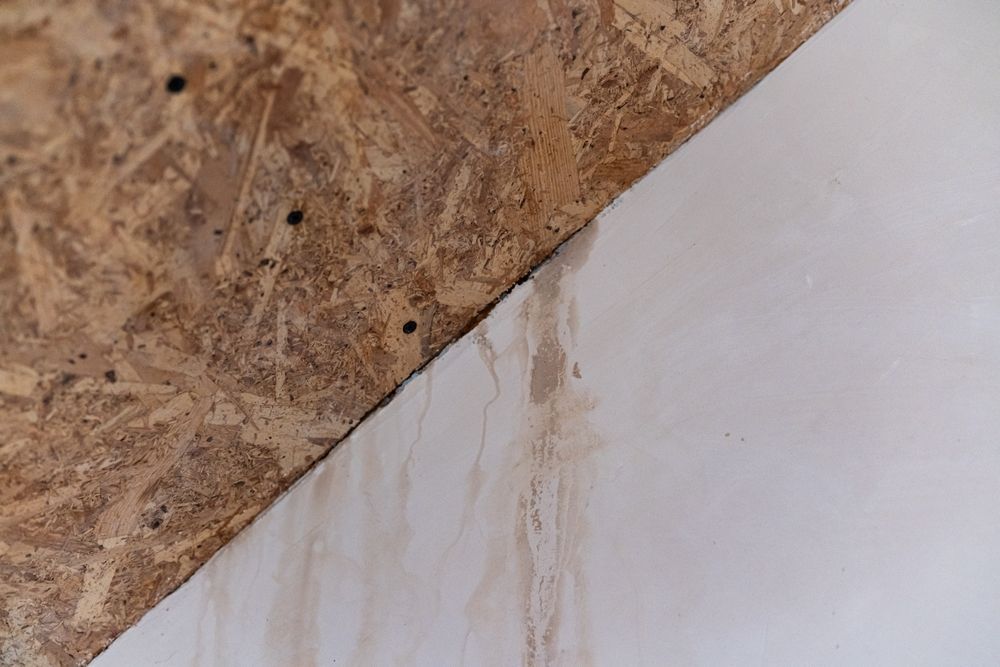
What Happens After Water Intrusion
Effective remediation involves removing standing water, extracting moisture from affected materials using air movement and dehumidification, and monitoring drying progress with moisture meters to confirm that building components return to normal levels before restoration work begins. Materials that cannot dry adequately or have absorbed contaminated water require removal and replacement to prevent ongoing deterioration and indoor air quality concerns.
After remediation and restoration are complete, you see floors that lie flat without buckling, drywall that shows no staining or soft spots, and insulation that performs thermally rather than remaining compressed and damp. Basements smell dry rather than musty, and previously waterlogged areas feel solid underfoot without spongy sections. The affected spaces return to usable condition without visible evidence of saturation or finishes that remain discolored despite surface cleaning.
The restoration scope depends on what materials were affected, how long they remained wet, and whether the original water source introduced contaminants requiring more extensive cleaning protocols. Simple drying and minor repairs address limited intrusion caught early, while extensive saturation or delayed response often necessitates replacing drywall, flooring, and insulation that cannot be salvaged.
Answers to Frequent Service Questions
Homeowners dealing with water damage in Lake Geneva typically want to understand response timing and what the restoration process involves.
How quickly should water remediation begin after discovering intrusion?
The sooner extraction and drying start, the less moisture penetrates into porous materials such as drywall, insulation, and subfloors, reducing the extent of replacement needed and lowering the risk of mold growth in saturated building cavities.
What determines whether materials can be dried in place or require replacement?
Materials such as drywall and insulation that remain saturated beyond 48 hours, absorb contaminated water, or show signs of deterioration such as delamination or mold growth typically require removal, while structural framing and solid materials often dry successfully if treated promptly.
Why does Wisconsin weather make water damage more complex during certain seasons?
Cold temperatures slow drying rates and increase the risk of freeze damage in saturated materials, while high summer humidity extends drying time and creates conditions favorable for mold development if affected areas are not actively dehumidified.
When can restoration work such as painting or installing new flooring proceed after water is removed?
Only after moisture meter readings confirm that affected materials have returned to normal levels, which can take several days to over a week depending on the volume of water, the materials involved, and environmental conditions during drying.
How do you prevent recurrence after completing water remediation and restoration?
By identifying and repairing the original water source, whether that involves fixing plumbing leaks, sealing foundation cracks, improving roof drainage, or addressing grading issues that direct surface water toward the home during storms.
Sontag Home Services Inc. responds to water intrusion events with assessment, remediation, and restoration coordinated to return affected areas to usable condition. If you are experiencing water damage, request a prompt evaluation to determine the appropriate response and prevent further material deterioration.