
Below-Grade Spaces That Stay Dry
Basement Waterproofing in Lake Geneva for properties experiencing seepage, damp conditions, or water entry during heavy rain
Visible seepage, recurring dampness, or water entering your basement during storms indicates that below-grade areas are vulnerable to moisture intrusion that damages stored items, limits usable space, and creates conditions favorable for mold growth. Sontag Home Services Inc. provides basement waterproofing in Lake Geneva, Wisconsin, addressing unwanted water that compromises below-grade living areas, storage zones, and mechanical spaces where furnaces, water heaters, and electrical panels are located. Wisconsin's precipitation patterns, seasonal snowmelt, and saturated soil conditions following prolonged rain increase hydrostatic pressure against foundation walls and drive moisture through cracks, joints, and porous masonry.
Basement waterproofing reduces intrusion by managing how water interacts with the foundation, either by directing it away from below-grade walls, creating drainage pathways that relieve hydrostatic pressure, or applying barriers that prevent moisture migration through foundation surfaces. The appropriate approach depends on whether water enters through floor-wall joints, foundation cracks, window wells, or general seepage through porous concrete, and whether the problem occurs only during specific weather events or persists as chronic dampness.
Schedule a basement evaluation to identify moisture entry points and determine which waterproofing solutions address your specific conditions.
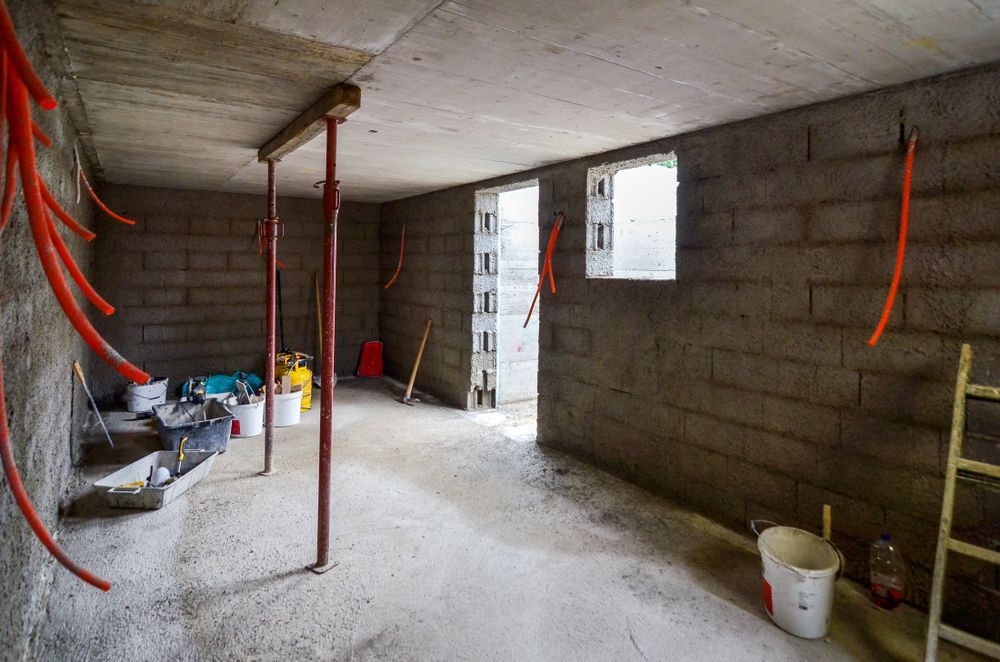
Why Basement Water Happens and How to Stop It
Effective waterproofing involves assessing the source and path of moisture, whether that means installing interior drainage systems that capture water at the floor perimeter and route it to a sump pump, applying sealants or coatings to foundation walls, or improving exterior grading and downspout extensions to reduce the volume of water reaching the foundation in the first place. Sontag Home Services Inc. focuses on solutions that address observed moisture patterns rather than applying generic treatments that may not target the actual entry points.
Once waterproofing is in place, you notice that basement floors remain dry after heavy storms, previously damp walls no longer show water stains or efflorescence, and the musty odor common to chronically wet basements dissipates as air quality improves. Stored items no longer require elevation off the floor to avoid water contact, and you can use below-grade space for finished living areas or storage without concern that seasonal moisture will damage furnishings or finishes.
The scope depends on the severity and frequency of water entry, the condition of existing foundation drainage systems, and whether interior or exterior interventions are more practical given site access, landscaping, and the home's construction details. Some properties benefit from combined approaches that address both interior drainage and exterior water management.
Questions Before Starting Your Project
Property owners in Lake Geneva often ask these questions when considering basement waterproofing to protect below-grade areas from moisture intrusion.
What warning signs indicate that basement waterproofing is needed?
Visible water pooling on the floor after rain, damp spots on walls or at floor-wall joints, white mineral deposits on foundation surfaces, persistent musty odors, and rust forming on metal objects stored in the basement all suggest moisture intrusion that waterproofing can reduce.
How does Wisconsin snowmelt contribute to basement water problems?
As snow melts rapidly during spring thaw or midwinter warm spells, large volumes of water saturate soil around the foundation simultaneously, overwhelming inadequate drainage systems and driving moisture through foundation walls and floor joints under hydrostatic pressure.
Why do some basements stay dry while neighboring homes experience chronic water issues?
Differences in foundation drainage design, soil permeability, grading that directs water toward or away from the home, and the condition of gutters and downspouts all influence how much water reaches below-grade walls and whether it drains effectively or accumulates and forces entry.
When should sump pumps be considered as part of a waterproofing solution?
When water enters through floor-wall joints or rises through floor cracks due to high groundwater, a sump system with interior perimeter drainage captures and removes water before it floods usable basement space, provided the pump discharges far enough from the foundation to prevent recirculation.
How do you determine whether interior or exterior waterproofing is more appropriate?
Interior systems work well when exterior excavation is impractical due to landscaping, driveways, or building proximity, while exterior waterproofing addresses moisture before it reaches foundation walls and may be preferred when excavation access exists and drainage improvements are needed anyway.
Sontag Home Services Inc. evaluates basement moisture conditions to recommend waterproofing approaches that match the observed entry patterns and site-specific factors affecting your Lake Geneva property. Request an inspection to discuss solutions for reducing unwanted water in below-grade areas.